

Raw Food Diet and Erectile Dysfunction
The raw food diet became quite a fashionable direction recently. This dietary technique allows one to rejuvenate an organism, to correct a state of health, to add activity and energy. But many rumors appear that the raw food diet and erectile function are incompatible. A question, really, is very important therefore it should be taken into account in more detail the influence of the raw food diet on the man’s organism.
Is a raw food diet is harmful to erectile function?
There are many assumptions and guesses concerning the influence of the raw food diet on erectile function, therefore, it is worth understanding this question in more detail. In general impact of a raw food diet on a man’s organism is caused by an action of the certain food used by a rawatarian. The man can eat the products promoting activation of testosterone production or, on the contrary, oppress its estrogen intake.
The raw food diet and erectile function have a close connection as pointed by Trusted Tablets. If products provide sufficient testosterone level, then the man possesses a full-fledged potentiality, he has no problems with an erection and ability to sexual excitement. Therefore it is possible to speak about the harm of a raw food diet for erectile function only in a case when the man abuses certain food.
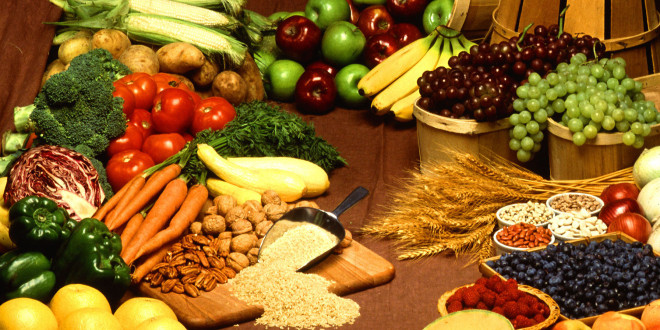
What crude products affect erectile function well
Consumption of crude food has done only good to an organism and had no collateral reactions, men should eat certain products:
- quail eggs – unlike chicken they contain only useful cholesterol and are extremely useful for erectile function. Besides, they promote the increased production of testosterone hormone and normalize a hormonal background;
- vegetable cultures – provide an organism with easily acquired vitamin and mineral forms and cellulose. At greens of spicy herbs like parsley, ginger, celery or spinach there is phytohormone, very important for men, – androsterone. Chlorophyll is present in their structure such substances promoting an increase in the blood of red little bodies and helping with the healing of wounds. The sufficient maintenance of erythrocytes as a part of blood is pledge of good nutrition oxygen of all bodies (sexual, including);
- fruit and berry production, dried fruits are characterized by the rich vitamin complex promoting the active production of testosterone. They are rich in antioxidant-like ascorbic acid which also increases resistance to the stresses which are adversely affecting erectile function and secretion of testosterone hormone;
- beekeeping products – the assistant to the men in a question to maintain sexual health and treat urinogenital disorders set. Beekeeping help strengthen the immune system with antioxidant properties, provides an organism with an additional charge of energy;
- nuts are considered as a treasure for a rawatarian as they differ in the richest content of the vitamin and mineral connections which are well affecting on the sexual health of the man, strengthening erectile opportunities and testosterone synthesizing;
- The seafood (salted) is an excellent source of zinc without which testosterone production is impossible. They contain an omega of acid, contributing normalization of a man’s hormonal background.
If a rawatarian has taken above-mentioned products as a diet basis, then his erectile function won’t suffer in any way, besides, it, on the contrary, considerably will raise at the expense of the used food.